Workplace Rights in 2025: What Employees Need to Know About AI and Employment Law
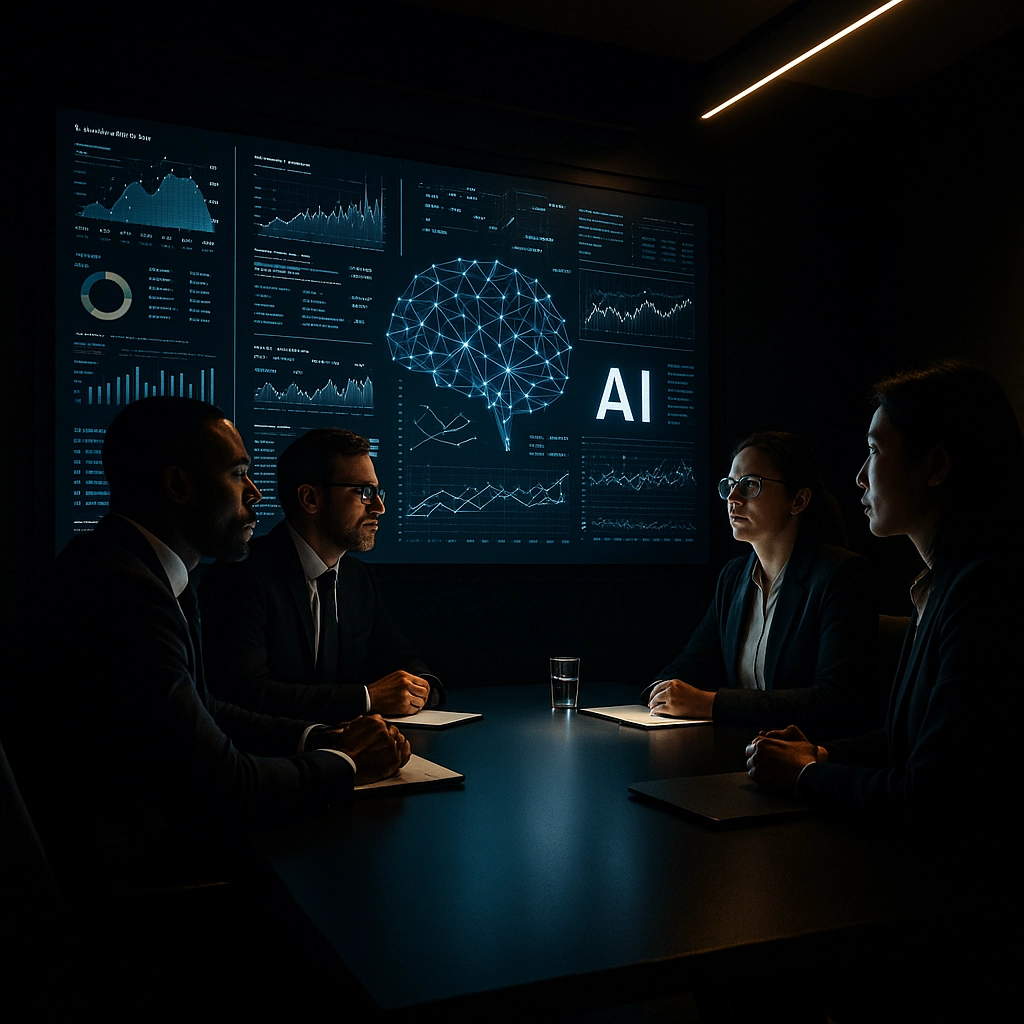
The workplace of 2025 looks dramatically different from just a few years ago. Artificial intelligence now screens resumes, conducts initial interviews, monitors employee performance, and even makes decisions about promotions and terminations. While this technology promises efficiency and objectivity, it’s creating a complex web of legal issues that every employee needs to understand.
If you’re wondering whether AI is affecting your job prospects, workplace experience, or career advancement, you’re asking the right questions. The intersection of AI and employment law has become one of the most rapidly evolving areas of workplace rights, and staying informed could be the difference between protecting yourself and becoming a victim of algorithmic bias.
The Federal Landscape: A Mixed Bag for Workers
The regulatory environment around workplace AI has shifted dramatically in 2025. The Trump administration’s decision to rescind Executive Order 14110 has created significant changes in how AI is overseen at the federal level. This executive order previously directed federal agencies to address AI-related risks, including bias, privacy violations, and safety concerns in the workplace.
Perhaps more concerning for employees, key guidance documents from the Equal Employment Opportunity Commission (EEOC) have been removed from official channels. These documents previously provided technical assistance on how Title VII and the Americans with Disabilities Act apply to AI tools in hiring and employment decisions.
But here’s what employees need to know: despite these federal rollbacks, employers remain legally responsible under existing anti-discrimination laws for the outcomes of AI-driven employment decisions. This means that even when third-party vendors develop the AI technology, your employer can still be held liable if that system discriminates against you based on race, gender, age, disability, or other protected characteristics.
The EEOC’s “Artificial Intelligence and Algorithmic Fairness Initiative,” launched in 2021, may have lost some of its formal guidance, but the underlying legal principles remain solid. If an AI system results in discriminatory hiring, promotion, or termination decisions, employees still have the right to challenge those decisions under federal civil rights laws.
Understanding AI Bias: Why It Matters to You
One of the most significant concerns about workplace AI is its potential to perpetuate and amplify existing biases. Here’s how this typically happens: AI systems learn from historical data to make decisions. If that historical data reflects past discriminatory practices (which, let’s be honest, much of it does), the AI system will likely continue those patterns of discrimination.
For example, if a company historically hired fewer women for leadership positions, an AI system trained on that data might continue to rank female candidates lower, even when they’re equally or more qualified. The same pattern can affect people of color, older workers, individuals with disabilities, and other protected groups.
What makes this particularly challenging is that AI bias can be subtle and harder to detect than human bias. When a human hiring manager makes a discriminatory decision, there might be obvious signs or statements. AI discrimination often happens through seemingly neutral criteria that disproportionately affect certain groups.
State-Level Protections: The New Frontier
While federal oversight has decreased, several states have stepped up with comprehensive AI regulations that directly benefit employees. These state-level protections are becoming increasingly important for workers to understand.
California has emerged as a leader in this space. Effective July 2025, California requires employers using AI in employment decisions to:
- Disclose when automated decision systems are being used in hiring, promotion, or termination processes
- Keep detailed records of AI-related employment decisions for four years
- Demonstrate that AI selection criteria are job-related and necessary for the position
- Prove there are no less discriminatory alternatives available that would meet their business objectives
Illinois has implemented notice requirements specifically for AI use in recruitment. If you’re applying for jobs in Illinois, employers must inform you when they’re using AI (including generative AI) to screen applications or conduct interviews.
New York City has gone even further with AI bias testing requirements. Employers using AI hiring tools must conduct annual bias audits and make the results publicly available.
These state-level protections are particularly important because they often provide more specific rights than federal law. For employees, this means you may have stronger protections depending on where you work, even if federal oversight has been reduced.
Your Rights as an Employee in the AI Age
Despite the changing regulatory landscape, employees maintain several important rights when it comes to workplace AI:
The Right to Know
Many jurisdictions now require employers to disclose when AI is being used in employment decisions. This transparency is crucial because you can’t challenge what you don’t know exists. If you suspect AI played a role in a hiring, promotion, or disciplinary decision, you have the right to ask your employer about it.
The Right to Challenge Discriminatory Decisions
If you believe an AI system has resulted in discrimination against you, you can still file complaints with the EEOC or relevant state agencies. The fact that a computer made the decision doesn’t shield employers from liability under civil rights laws.
Data Privacy Rights
As AI systems collect and process increasing amounts of data about employees and job applicants, your privacy rights become more important. Some states have specific requirements about how employers must handle data processed through AI systems, including how long they can keep it and who has access to it.

The Right to Human Review
In some jurisdictions, employees have the right to request human review of AI-driven decisions, particularly in hiring and promotion contexts. This means a real person must look at your case and consider factors the AI might have missed or weighted incorrectly.
Red Flags: When AI Might Be Working Against You
Recognizing potential AI bias can be challenging, but there are warning signs employees should watch for:
- Sudden changes in hiring patterns at companies where you’ve applied
- Rejection emails that mention “algorithmic screening” without explanation
- Performance evaluations that seem disconnected from your actual work quality
- Disciplinary actions that appear to follow automated monitoring systems
- Promotion decisions that don’t align with stated company criteria
If you notice these patterns, especially if they seem to disproportionately affect people in your demographic group, it may be worth investigating whether AI bias is involved.
Practical Steps to Protect Yourself
Here’s what you can do to protect your rights in an AI-driven workplace:
Research Your State’s Laws: AI employment regulations vary significantly by location. Understanding your local protections helps you know what to expect and what to demand from employers.
Document Everything: Keep records of job applications, interview processes, performance reviews, and any communications about employment decisions. If AI bias is involved, patterns may emerge over time.
Ask Direct Questions: Don’t be afraid to ask employers whether they use AI in hiring or employment decisions. Many are required to disclose this information, and asking shows you’re informed about your rights.
Network and Compare Experiences: Talk to colleagues and industry peers about their experiences. Patterns of AI bias often become clearer when multiple people share their stories.
Stay Informed About Industry Practices: Different industries are adopting AI at different rates and in different ways. Understanding how AI is typically used in your field helps you recognize when something seems off.
When to Seek Legal Help
The complexity of AI and employment law means that many situations benefit from professional legal guidance. Consider consulting with an employment law attorney if:
- You believe you’ve been discriminated against by an AI system
- An employer refuses to disclose their use of AI in employment decisions when required by law
- You’ve noticed patterns of bias in AI-driven decisions at your workplace
- You’re unsure about your rights regarding AI and employment in your specific situation
The legal landscape around AI and employment is evolving rapidly, and having an experienced attorney who understands both employment law and emerging AI regulations can make a significant difference in protecting your rights.
Looking Ahead: What 2025 Holds
As we move through 2025, expect to see continued changes in how AI and employment law intersect. More states are likely to implement their own regulations, and federal oversight could shift again depending on political changes and public pressure.
For employees, the key is staying informed and proactive. The technology isn’t going away, but your rights don’t have to disappear with changing regulations. Understanding what protections exist, recognizing potential bias, and knowing when to seek help are your best defenses against AI discrimination.
The workplace of 2025 may be more automated than ever before, but your right to fair treatment remains as important as it’s ever been. By staying informed about these evolving legal protections, you can better navigate the new landscape and ensure that AI serves as a tool for opportunity, not discrimination.
The information in this article is solely opinions and not legal advice. It reflects current legal developments as of 2025. Employment law, particularly regarding AI, continues to evolve rapidly. For specific legal advice about your situation, consult with a qualified employment attorney.
